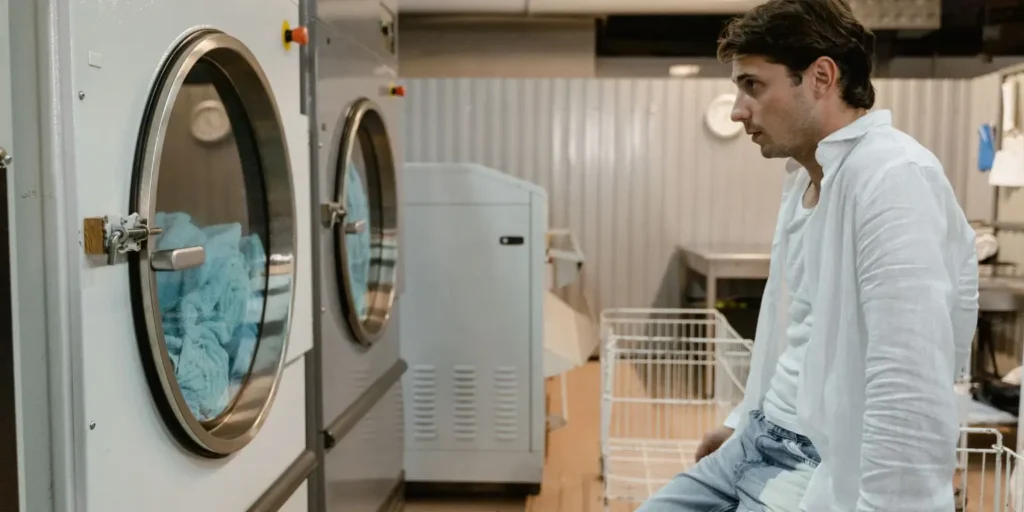
Clothes shrink when exposed to heat, moisture, and mechanical agitation. Natural fibers like cotton and wool are most at risk. Using hot water, high dryer heat, or the wrong wash cycle are the top causes. Avoiding these mistakes can save your wardrobe and your wallet.
You pull your favorite shirt from the dryer and it looks like it belongs to a ten-year-old. Sound familiar? Clothing shrinkage is one of the most common laundry complaints across Nassau County and most of the time, it is completely avoidable. From Albertson to Glen Cove, busy residents are rushing through laundry day and unknowingly ruining perfectly good clothes. At Long Island Laundry, we hear this story from new customers every week. This guide breaks down exactly why it keeps happening and what you can do about it.
Why Do Clothes Shrink in the First Place?
Three forces work together to shrink your clothes: heat, moisture, and agitation. Natural fibers like cotton, wool, linen, and cashmere are most vulnerable. These fibers absorb water quickly and contract when exposed to heat.
There are three types of shrinkage to understand:
- Relaxation shrinkage: Natural fibers swell when wet and do not fully return to their original shape.
- Consolidation shrinkage: Heat plus moisture plus movement causes fiber tension to release and permanently deform the fabric.
- Felting shrinkage: Agitation compresses animal fibers like wool and cashmere together permanently.
Synthetic fabrics like polyester and nylon resist shrinkage. But blended fabrics can shrink unevenly because natural and synthetic fibers react differently, creating twisted seams or a strange fit.
What Are the Most Common Laundry Mistakes That Cause Shrinkage?
Are You Washing in Hot Water by Default?
Hot water is the number one culprit. Many residents keep their washer on a default warm or hot setting without ever changing it. For most everyday clothes, cold water cleans just as effectively and creates far less risk.
Cotton shrinks because of tension applied to its yarns during manufacturing. Heat from the washer releases that tension. This is why most cotton clothing shrinks the most during its very first wash.
Switch every load to cold water unless the care label specifically says otherwise.
Is Your Dryer Set Too High?
The dryer causes more permanent shrinkage than the washer. High heat makes contracted, wet fibers lock into a smaller shape permanently. Once that happens, there is almost no going back.
Most residential dryers have a medium or high heat default. Over-drying, which means running the cycle too long, makes the problem worse. Clothes left in the dryer past the point of dryness continue shrinking even after moisture is gone.
A simple fix: remove clothes while still slightly damp and let them finish air drying flat.
Are You Ignoring the Care Label?
The care label tells you everything you need to know. It specifies water temperature, drying method, and whether an item needs special treatment. Skipping this step is where most laundry mistakes begin.
Items marked dry clean only should never go in a home washer. Items marked lay flat to dry will shrink if tumble dried. Sweaters and knits almost always fall into one of these categories.
Are You Overloading Your Washer or Dryer?
Overloading forces clothes to rub against each other more aggressively. That extra agitation releases fiber tension faster. In the dryer, an overloaded drum traps moisture unevenly, causing some areas to dry too fast while others stay wet, leading to uneven shrinkage.
A good rule: the drum should be about three-quarters full, never packed tight.
Are You Mixing Fabrics in the Same Load?
Delicates like wool, cashmere, and linen should never share a load with jeans or towels. Heavier items increase agitation on lighter fabrics. Running a delicates cycle with mixed fabrics offers almost no protection because the heavier items override the gentler movement.
Sort by fabric weight and fiber type, not just by color.
Does Hard Water in Nassau County Make Shrinkage Worse?
This is something most laundry guides completely skip. Long Island water is notably hard, meaning it contains high mineral content. Hard water can weaken fabric fibers over time, making them more prone to damage from heat and agitation.
Using too much detergent in hard water creates excess residue that stays in the fabric. That buildup makes fibers stiffer and more brittle with each wash cycle. A fabric softener like Downy helps counteract this and keeps fibers more flexible.
What Does Shrinkage Actually Cost You?
Most people do not think about shrinkage as a financial problem. They should. The average American household spends over $1,800 per year on clothing. Replacing a shrunken sweater, a ruined pair of dress pants, or a school uniform adds up quickly.
Consider this: a quality cotton dress shirt costs $60 to $80. One wash at the wrong temperature can make it unwearable. Multiply that across a year of laundry mistakes and the cost becomes significant.
Long Island Laundry vs. DIY Laundry: How Do They Compare?
|
Factor |
DIY at Home | Long Island Laundry | Why It Matters |
|
Water Temperature |
Manual, easy to forget | Fabric-specific every time | Prevents heat shrinkage |
| Dryer Heat | Default setting, often too high | Calibrated low-medium heat |
Stops permanent shrinkage |
| Care Label Compliance | Often skipped | Followed per garment type |
Protects delicates |
| Your Time | 2-3 hours per load | Zero, pickup & delivery free |
Saves your weekend |
In My Experience
After more than 20 years running Long Island Laundry, the most common thing new customers tell us is that they had no idea how much damage small habits were causing. They had been washing everything on warm and drying on high for years. Once they switched to our service, their clothes started lasting noticeably longer. Anthony Perfetti, our founder, always says: a little extra care at the washing stage saves you a lot of money at the clothing store.
Common Mistakes to Avoid Before Switching to a Laundry Service
- Trusting the default cycle: Most washers ship with settings too aggressive for natural fibers. Always check and adjust manually.
- Drying until bone dry: Over-drying permanently locks shrunken fibers in place. Pull clothes out slightly damp instead.
- Skipping the care label: Even a quick 10-second check prevents most major shrinkage incidents.
- Washing wool in a regular cycle: Wool and cashmere need hand washing, a delicates cycle, or professional dry cleaning.
- Under-filling the dryer: A near-empty drum creates more tumbling and contact, which increases agitation damage on delicates.
Pro Tips for Shrink-Free Laundry
Tip 1: Use a mesh laundry bag for delicates. Place wool, linen, and lightweight cotton items in a mesh bag before washing. It reduces direct agitation without needing a separate cycle.
Tip 2: Pre-sort the night before. Sorting laundry when tired or rushed leads to mixed loads and skipped care labels. Do it the evening before and catch most mistakes in advance.
Tip 3: Use a professional service for your best clothes. For dress shirts, quality knitwear, or anything expensive, skip the home machine entirely.
Our wash and fold pickup and delivery service handles each order with fabric-appropriate care so your best pieces stay the right size and shape.
FAQ: Why Do Clothes Keep Shrinking?
Does hot water or the dryer cause more shrinkage?
The dryer causes more permanent shrinkage. Hot water loosens fibers, but high dryer heat locks them into a smaller shape. Once the dryer shrinks a garment, it rarely returns to its original size.
Can you unshrink clothes after they have already shrunk?
Sometimes, yes. Soaking in lukewarm water with a small amount of hair conditioner can relax fibers enough to gently stretch the item back. This only works on natural fibers and results vary widely.
Do clothes shrink every time you wash them?
Most shrinkage happens in the first one or two washes. After that, repeated heat exposure causes gradual cumulative shrinkage. Cotton can shrink by up to 5% in the first wash cycle alone.
What fabrics shrink the most in the laundry?
Cotton, wool, linen, and cashmere shrink the most. Polyester and nylon are highly resistant. Blended fabrics shrink unevenly because their fibers react differently to heat and moisture.
Is a laundry pickup service safer for my clothes than doing it myself?
Yes. Professional services use fabric-specific wash settings, calibrated dryer temperatures, and follow care labels closely. This dramatically reduces shrinkage risk compared to a rushed home wash routine.
Ready to Stop Ruining Your Clothes on Laundry Day?
If your wardrobe keeps shrinking, the easiest fix is to stop fighting the machine altogether. Long Island Laundry picks up your dirty clothes, washes everything with the right settings and premium detergents like Tide and Downy, and delivers it back perfectly folded with zero shrinkage risk from rushed home habits.
New customers get $10 OFF their first order with promo code FIRST10. Pickup and delivery are always free, with no hidden fees.
Schedule your first free pickup here and give your clothes the care they actually deserve.
Serving Albertson, Glen Cove, and 60+ communities across Nassau County and Long Island. Call us at 516-674-4123.