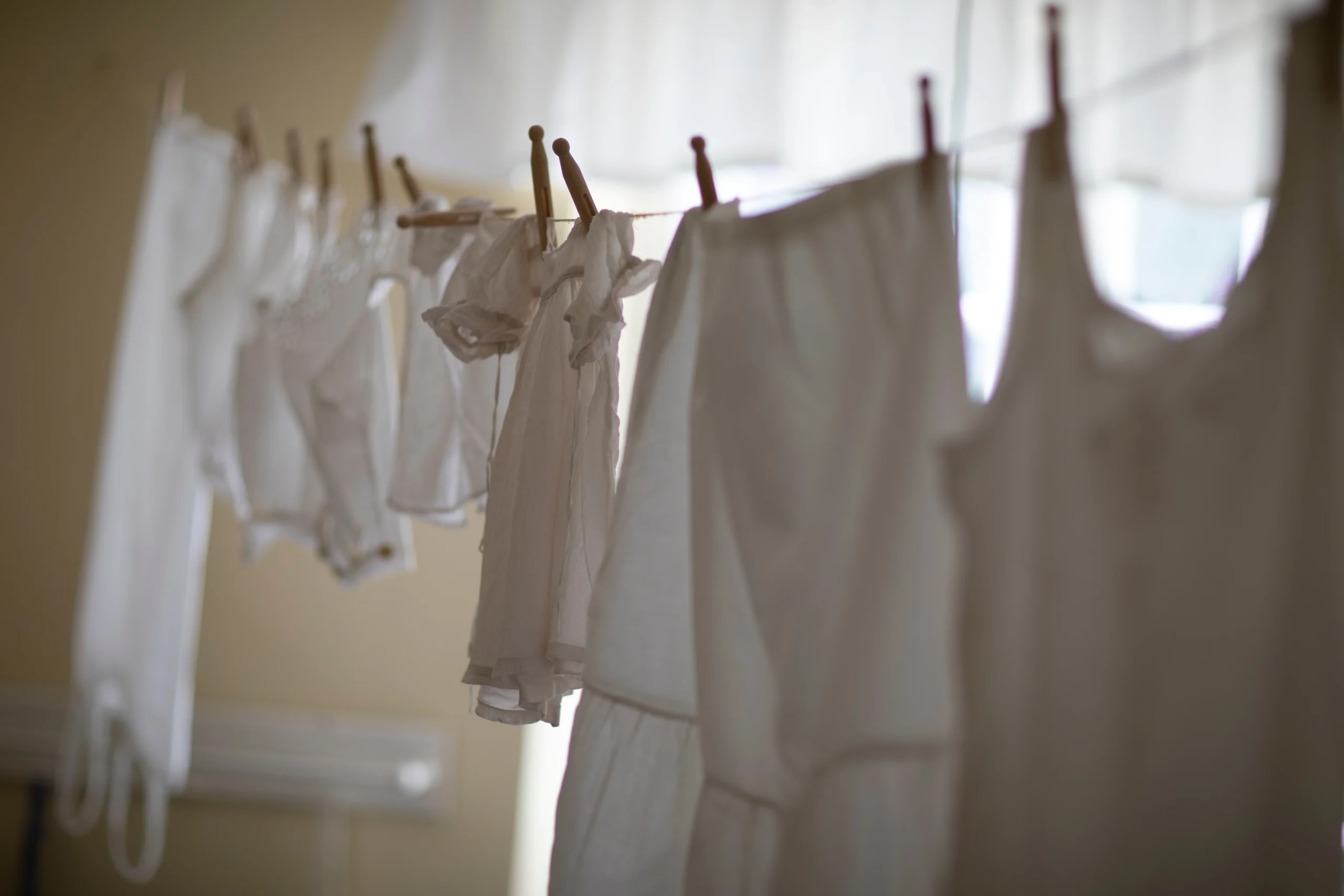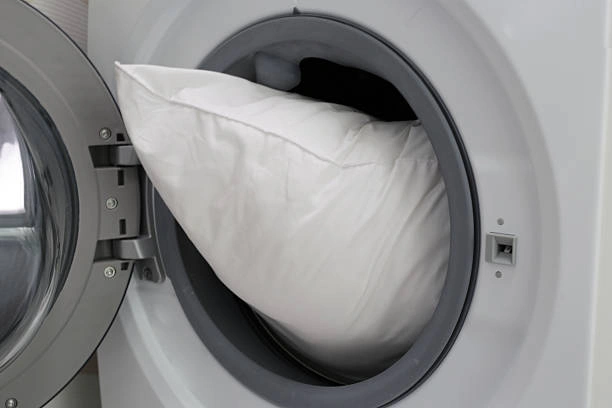
Most Nassau County households should wash bed sheets every 7 to 14 days. Pillowcases need washing weekly. Comforters need cleaning every 3 to 6 months. Long Island’s humid summers and high pollen seasons make more frequent washing especially important for allergy sufferers and pet owners.
You toss your laundry in the hamper every few days. But when did your sheets last get washed? Most Long Island families push bedding to the back of the pile, and it piles up fast. The average American goes nearly 24 days between sheet washes, according to sleep researchers, which means most beds are hosting dust mites, dead skin cells, and allergens every single night.
At Long Island Laundry, we handle bedding for hundreds of Nassau and Suffolk County families each month. We see firsthand how bedding hygiene affects sleep quality, allergies, and even skin health. This guide gives you a clear, item-by-item schedule and explains exactly when to wash more often, especially given Long Island’s coastal climate.
How Often Should You Wash Each Bedding Item?
Different items need different schedules. Here is a quick breakdown covering everything on your bed.
|
Bedding Item |
Recommended Frequency | Wash More Often If… |
|
Bed sheets (fitted + flat) |
Every 1 to 2 weeks | You sweat heavily, have allergies, or pets sleep with you |
|
Pillowcases |
Every 1 week | You use heavy hair products or have acne-prone skin |
|
Comforter / duvet insert |
Every 3 to 6 months | You sleep without a duvet cover or have pets in bed |
|
Duvet cover |
Every 2 to 4 weeks |
It gets direct skin contact nightly |
| Blankets and throws | Every 1 to 2 months |
Used frequently or touched by pets |
| Pillows | Every 3 to 6 months |
You sweat at night or skip pillowcases |
| Mattress pad / protector | Every 1 to 2 months |
Spills, kids, or night sweats occur regularly |
| Decorative pillows | Every 3 months or as needed |
Pets sit on them or they collect visible dust |
This schedule covers the basics. But Long Island living adds a few extra factors worth knowing.
Why Does Nassau County’s Climate Matter for Bedding Hygiene?
Humidity changes everything when it comes to how fast bedding gets dirty.
Nassau County summers are notoriously sticky. High humidity combined with overnight heat means most people sweat more than they realize into their sheets. That moisture becomes a feeding ground for dust mites and mold spores if bedding isn’t washed frequently enough.
Long Island’s spring pollen season is also among the highest in the Northeast. You carry pollen indoors on your hair, skin, and clothes, and it settles directly into your pillowcases and sheets. For anyone with seasonal allergies, sticking to a strict weekly pillowcase schedule from March through June makes a real difference in symptom severity overnight.
Salt air near the North Shore and South Shore communities can also attract fine particles that cling to fabric. If you sleep with windows open in neighborhoods like Oyster Bay, Sea Cliff, or Island Park, you may want to wash sheets closer to weekly rather than bi-weekly.
Who Should Wash Bedding More Often?
Not every household has the same needs. Here is when to step up your schedule.
Pet owners: If your dog or cat shares the bed, weekly sheet washing is non-negotiable. Pets bring in dander, outdoor allergens, and bacteria that transfer to your skin overnight.
Allergy and asthma sufferers: Dust mites thrive in bedding. Weekly washing in hot water (at least 130°F) kills mites and removes their waste, which is what actually triggers allergy symptoms.
Hot sleepers and night sweaters: During Long Island summers, even non-sweaters perspire more at night. Bump your sheet cycle to every five to seven days from June through September.
Young children and infants: Kids bring everything to bed. Crumbs, saliva, outdoor grime, and the occasional bathroom accident all mean weekly washing is the safe standard for children’s bedding.
Anyone recovering from illness: Strip and wash all bedding the day you start feeling better. Viruses and bacteria can survive on fabric for hours to days.
Can You Wash Your Comforter at Home?
Here’s where a lot of people run into trouble.
Most home washing machines are not designed to handle the weight and bulk of a full-sized comforter, especially queen or king. Stuffing an oversized comforter into a standard-capacity washer puts strain on the drum, prevents proper water circulation, and often means the fill inside never gets fully clean or rinsed. It can also break your machine.
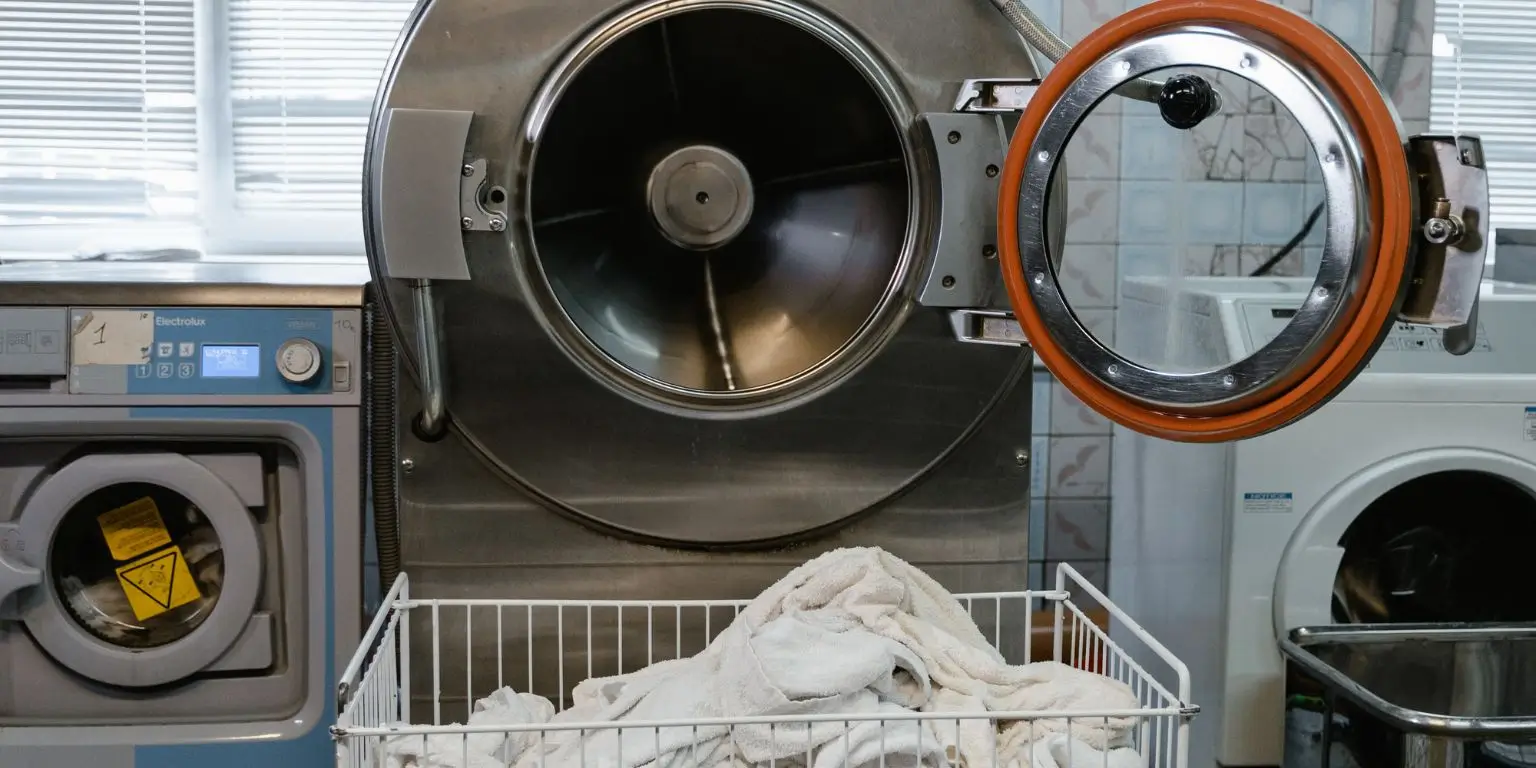
Long Island Laundry’s industrial-grade equipment handles even king-sized comforters with ease. Our comforter cleaning service uses oversized commercial washers and dryers, ensuring a deep, even clean with no clumping or moisture trapped inside. Every comforter comes back in a free reusable storage bag, too.
If you’ve been skipping comforter washes because your home washer can’t handle it, this is the easiest fix.
Signs Your Bedding Needs Washing Before Its Scheduled Day
Calendars are useful, but your nose and skin know the truth.
Watch for these signals that your bedding needs attention right away:
- A musty or sour smell that doesn’t go away when you air out the room
- Visible staining from sweat, spills, or makeup
- Waking up with unexplained sneezing or itchy eyes
- Skin breakouts concentrated on your face, neck, or chest
- Your pet was sick or had an accident in the bed
- You or a household member just recovered from a cold or flu
Any one of these is a clear enough sign. Don’t wait for the scheduled date.
Long Island Laundry vs. DIY Bedding Washing
|
Factor |
Long Island Laundry | DIY at Home |
|
Comforter capacity |
Industrial oversized machines | Most home washers too small |
|
Detergent quality |
Tide, Downy, name-brand included | You buy your own |
| Convenience | Free pickup and delivery |
You haul, wash, dry, fold |
| Turnaround | Next-day service |
Hours of your day |
| Pricing | $1.95/lb, all-inclusive |
Machine wear, water, electricity costs |
In My Experience
In my experience running Long Island Laundry for over 20 years, the biggest bedding mistake I see is forgetting about comforters entirely. Families wash sheets regularly but then realize their comforter hasn’t been cleaned in two or three years. That’s where dust mites really build up. Anthony Perfetti, Long Island Laundry founder, recommends scheduling comforter cleans at the same time you flip your seasonal wardrobe. It’s a natural trigger that’s easy to remember.
Common Mistakes to Avoid
Washing everything in cold water. Cold cycles are fine for light laundry, but bedding needs hot water to kill dust mites and sanitize properly. Use at least 130°F for sheets and pillowcases.
Overloading the washing machine. Cramming two sets of sheets plus pillowcases into one cycle means nothing gets clean. Run separate loads or use a larger machine.
Putting bedding away slightly damp. Even a small amount of moisture trapped in folded sheets creates mold and mildew within days. Make sure everything is bone dry before storage.
Skipping the pillow wash. Pillowcases protect pillows, but they don’t do it perfectly. Pillows accumulate sweat, oils, and mites over months. Most people never wash them at all.
Ignoring decorative items. Throw pillows, bed skirts, and decorative shams collect dust just as sheets do. If they’re on the bed, they need cleaning too.
Pro Tips
Tip 1: Keep two sets of sheets in rotation. When one set is in the wash, the bed isn’t stripped and waiting. Swap and wash the used set at your convenience without any downtime.
Tip 2: Use a duvet cover on your comforter. Wash the cover every two to four weeks like a sheet, and you’ll only need to clean the actual comforter insert a few times a year. It extends the life of your comforter too.
Tip 3: Schedule bedding pickups with your wash and fold service. Setting a recurring pickup day means bedding never gets neglected because you’re too busy to deal with it.
FAQ
How often should you wash bed sheets? Most people should wash bed sheets every one to two weeks. If you have allergies, pets, or sweat heavily at night, wash them weekly. Hot water washing is recommended to kill dust mites.
Can you get sick from not washing your sheets? Yes. Unwashed bedding collects bacteria, fungal spores, and allergens that can trigger skin irritation, acne, respiratory symptoms, and worsen asthma or eczema over time.
How often should you wash a comforter? Wash your comforter every three to six months. If you use a duvet cover, you can extend this to twice a year. Without a cover, quarterly cleaning is a better target.
Is it OK to wash bedding once a month? Monthly sheet washing falls below the recommended standard. It may be fine for very light sleepers, but for most people it allows too much sweat, oil, and allergen buildup to accumulate.
How do you wash a king-sized comforter? Most home machines cannot safely handle a king comforter. A commercial laundry service with oversized equipment is the best option. It ensures even cleaning and proper drying without machine damage.
Ready to Get Your Bedding Fresh Without the Hassle?
Stop guessing and start sleeping on genuinely clean bedding. Long Island Laundry’s pickup and delivery service covers Nassau and Suffolk County with free pickup and free delivery, always included. Just bag it up, schedule your pickup, and we handle everything else.
New customers get $10 OFF their first order with code FIRST10. At just $1.95 per pound with no hidden fees, it’s the easiest way to keep your household bedding on schedule without giving up your weekend. Call us at 516-674-4123 or schedule online today.