Many machine-washable comforters can be cleaned at home if the washer and dryer are large enough. Always follow the care label because the appropriate detergent, water temperature, cycle, and drying method depend on the outer fabric, filling, and construction. Expect the complete washing and drying process to take several hours. Do not use hot water, fabric softener, or other laundry additives unless the care label permits them.
Why Washing Your Comforter the Wrong Way Can Be a Costly Mistake
That bulky comforter on your bed collects more than you might realize. Comforters can accumulate body oils, perspiration, dust, pet hair, and other debris over time. Regular cleaning helps keep bedding fresh, while people with diagnosed allergies should follow cleaning guidance from their healthcare provider.
For families in Carle Place and across Nassau County, replacing a damaged comforter is an expense nobody wants. The good news is that many comforters can be kept fresh with the right approach.
Whether you handle it yourself or let Long Island Laundry Company’s comforter cleaning service take over, this guide covers everything you need to know. From reading care labels to drying techniques, every step matters.
What Type of Comforter Do You Have?
Comforter care depends on both the outer fabric and the filling. Some down, down-alternative, and cotton comforters are machine washable, while others require specialized cleaning. Wool, silk, embellished, weighted, and specialty comforters may have additional restrictions. Check the attached care label before choosing any cleaning method.
Should You Always Check the Care Label First?
Yes. The care label is your most reliable guide. It tells you the recommended wash temperature, cycle type, and whether machine washing is safe.
Does the label say “dry clean only”? Trust it. Water can permanently damage certain fabrics and fills. A circle symbol on the label means dry cleaning is recommended. A tub icon with a hand means hand wash only. Knowing these symbols helps you avoid expensive mistakes.
If the care label is missing or unreadable, do not assume that machine washing or hand washing is safe. Contact the manufacturer when possible or consult a professional cleaner before proceeding.
How Do You Prepare a Comforter for Washing?
A few minutes of prep work can prevent most problems. Start by inspecting the entire comforter for tears, loose seams, or weak stitching. Even a small hole can become a larger rip inside the washer. Repair any damage with a quick hand stitch before washing.
Before applying detergent or stain remover, check the comforter’s care label and test the product on a small, hidden area. Use only a product appropriate for the fabric and filling. Avoid chlorine bleach unless the care instructions specifically allow it.
Remove any duvet cover and wash it separately. Trying to wash both together at once can overload the machine.
Can You Wash a Comforter in a Regular Washing Machine?
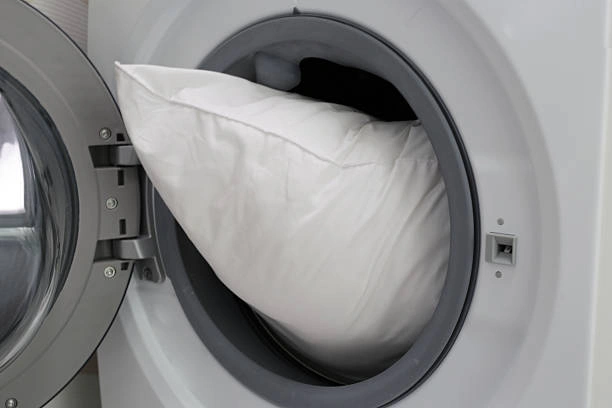
Check the washer manufacturer’s instructions before washing bulky bedding. The comforter must fit loosely enough to move freely throughout the cycle. If it must be pushed into the drum or cannot move freely, the machine is too small.
Some manufacturers recommend approximately 5.0 cubic feet for a king-size comforter, but the appliance manual and available movement are more important than one universal capacity number.
For larger comforters, a commercial-capacity machine may be necessary. You can use a laundromat or schedule a pickup with Long Island Laundry Company for professional results using commercial-grade oversized equipment.
Front-Load vs Top-Load Washers
Front-load washers generally handle bulky bedding more effectively than top-loaders because they clean without a center agitator.
If using a top-loading washer with a center agitator, check the appliance manual to confirm that the machine is designed to wash bulky bedding. Do not force a comforter around the agitator.
What Are the Best Wash Settings for a Comforter?
Use the cycle and water temperature specified on the care label. Depending on the comforter and washer, that may be a gentle, delicate, or bulky-bedding cycle. Do not assume that one cycle or temperature is safe for every comforter.
Use the type and quantity of detergent recommended by the comforter manufacturer and detergent label. Excess detergent can be difficult to rinse from bulky filling. For washable-down comforters, the manufacturer may recommend a detergent specifically formulated for down.
Avoid fabric softener unless the care label permits it. In many cases, it can coat fill fibers and contribute to clumping.
If the washer offers an extra rinse cycle and the comforter and appliance instructions permit it, an additional rinse may help remove excess detergent from bulky filling.
How Should You Dry a Comforter Without Damaging It?
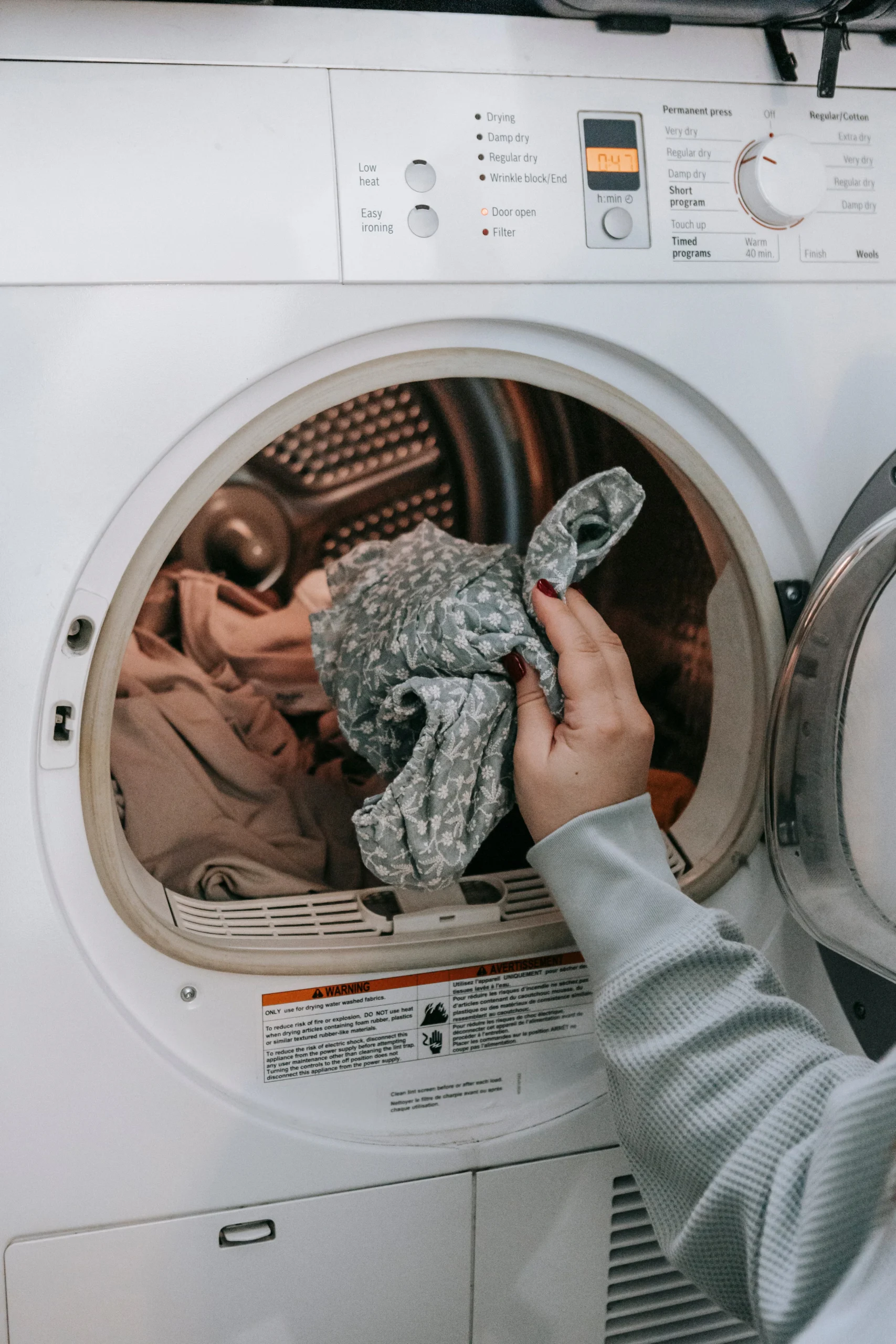
If the care label permits machine drying, use the specified heat setting and a dryer large enough to let the comforter tumble freely. Dryer balls may help redistribute some types of filling. Periodically pause the cycle, reposition the comforter, and check for damp areas.
Drying time varies based on the comforter’s size, filling, moisture level, and dryer capacity. Do not store or place the comforter back on the bed until it is completely dry.
Can You Air-Dry a Comforter?
Air drying may be possible if conditions allow. Lay the comforter flat on a clean surface or drape it over a clothesline on a dry, breezy day. Flip it periodically to help ensure even drying.
Do not place a damp comforter back on the bed. Residual moisture inside the fill can lead to musty odors or mildew. Make sure the comforter is completely dry all the way through the center before using it again.
How Often Should You Wash Your Comforter?
How often a comforter needs cleaning depends on whether it has a duvet cover, whether pets sleep on it, exposure to spills or perspiration, and the manufacturer’s instructions. Wash duvet covers and sheets regularly, and clean the comforter when recommended by its manufacturer or when it becomes visibly soiled.
People with allergies should follow their healthcare provider’s recommendations for bedding-cleaning frequency.
A helpful approach for Long Island residents is to tie cleaning to the seasons. Clean your comforter before storing it for summer and again before pulling it out in fall.
When Should You Skip DIY and Go Professional?
Comforters vary considerably by shell fabric, construction, and filling. Down, synthetic-fill, quilts, and specialty bedding can require different washing and drying methods. Always follow the care label rather than relying on one universal temperature or cycle.
Some comforters simply should not go into a home washing machine. If the care label recommends professional cleaning, if the comforter does not fit freely in your machine, or if previous home washing has not produced good results, professional cleaning may be the better option.
For Carle Place families, Long Island Laundry Company handles the entire process with pickup and delivery in Carle Place. Free pickup and delivery are included with orders meeting our $35 pickup minimum. Comforters can be combined with regular laundry or other bedding items to meet the minimum.
How to Store a Comforter After Cleaning
Proper storage keeps your freshly cleaned comforter in good shape between cleanings. Place it loosely into a breathable cotton or linen storage bag. Avoid airtight plastic bags, which can trap moisture and cause musty odors. Store it in a cool, dry closet away from direct sunlight.
Professional Laundry Service Compared With DIY Comforter Washing
| Factor | At Home | Laundromat | Long Island Laundry Company |
| Price | Household utility and supply costs | Depends on machine size and drying time | Regular comforters from $20; down comforters from $30 |
| Customer time | Several hours of washing and drying | Includes travel, washing, and drying | A few minutes to prepare and retrieve the order |
| Equipment | Must be large enough for free movement | Commercial-capacity machines available | Commercial-grade oversized equipment |
| Transportation | None | Customer transports bulky bedding | Pickup and delivery available |
| Storage bag | Not included | Not included | Free reusable storage bag |
Our comforter cleaning is priced per item. Regular Twin/Full comforters start at $20, Regular Queen/King at $26, quilts and heavy blankets at $15, weighted blankets at $35, and pillows at $10. See our pricing for complete details.
In My Experience
“After more than 20 years in the laundry business, I know that comforters need enough room to wash, rinse, and dry properly. If a comforter does not move freely in your home machines, using oversized commercial equipment can help produce a more even result while reducing strain on your washer and dryer.”
Anthony Perfetti, Owner, Long Island Laundry Company
Common Mistakes to Avoid When Washing a Comforter
Ignoring the care label. The correct water temperature, cycle, and drying method vary by material and construction.
Overloading a small washer. A cramped drum prevents the comforter from tumbling freely, which means uneven cleaning and trapped soap residue.
Using too much detergent or failing to rinse thoroughly. Bulky filling can retain detergent when the wrong amount is used.
Using a drying temperature that exceeds the care-label instructions. Excessive heat can damage filling and outer fabric.
Ignoring tears and loose threads. A small rip before washing can become a larger hole during the cycle. Repair every loose seam before your comforter goes in the machine.
Placing a still-damp comforter back on the bed. If the center still feels cool or heavy, it is not done. Residual moisture inside the fill can lead to mildew, musty smells, and potential mold growth.
Pro Tips for Comforter Care
Invest in a duvet cover. A removable cover protects your comforter from daily wear and can be washed regularly with your sheets. It is one of the easiest ways to reduce how often the comforter itself needs cleaning.
Fluff your comforter regularly. Give it a good shake each morning after making the bed. This helps redistribute the filling and allows trapped moisture to escape.
Add comforters and bedding to your regular laundry pickup. If you already use a pickup and delivery service, adding comforters and pillows takes no extra effort and keeps your entire sleep setup fresh.
Frequently Asked Questions
Can I wash a king-size comforter at home?
Only if the care label permits machine washing and the comforter fits loosely enough to move freely. Check the washer manual before washing bulky bedding. If the comforter must be forced into the drum, the machine is too small.
Is it safe to wash a down comforter in a washing machine?
Follow the comforter’s care label. Some down comforters are machine washable, while others require professional cleaning. The manufacturer may recommend a specific detergent formulated for down.
How do I stop my comforter from getting lumpy after washing?
Follow the care label, use correctly sized equipment, avoid excessive detergent, and dry the comforter completely. If permitted, dryer balls and periodically redistributing the filling may help.
What temperature water should I use to wash a comforter?
Follow the care label. The appropriate water temperature depends on the outer fabric, filling, and construction. Do not assume that one temperature is safe for every comforter.
How much does professional comforter cleaning cost on Long Island?
Long Island Laundry Company prices comforter cleaning per item. Regular Twin/Full comforters start at $20, Regular Queen/King at $26, quilts and heavy blankets at $15, and weighted blankets at $35. Free pickup and delivery are included with orders meeting our $35 pickup minimum.
Get Your Comforter Professionally Cleaned Today
Washing a machine-washable comforter at home requires suitable equipment, careful attention, and enough time for complete drying. Long Island Laundry Company uses commercial-grade oversized machines to clean bulky bedding at our Glen Cove facility.
Regular comforter cleaning starts at $20, and down comforter cleaning starts at $30. Each comforter is returned in a free reusable storage bag. Free pickup and delivery are included with orders meeting our $35 pickup minimum. Comforters can be combined with regular laundry or other bedding items to meet the minimum.
New customers receive $10 off their first order with promo code FIRST10. Schedule your first pickup and see why Long Island families have given Long Island Laundry Company more than 180 five-star reviews.