Stains don’t have to mean ruined clothes. The right hack, applied fast, removes grass, grease, blood, coffee, and ink from most fabrics. These seven methods are tested on cotton, linen, and blends. Act within 5 minutes for best results. When stains won’t budge, a professional wash can save the item.
That ketchup blob on your work shirt. The grass streak on your kid’s school pants. The coffee splash right before you leave the house. Sound familiar? Long Islanders lead busy lives, and stains happen at the worst possible times. Here at Long Island Laundry, we’ve seen thousands of garments come through our Glen Cove facility. We know which home hacks actually save clothes – and which ones make things worse. Read on for the seven methods that consistently deliver results.
What Causes Stains to Set – and Why Speed Matters
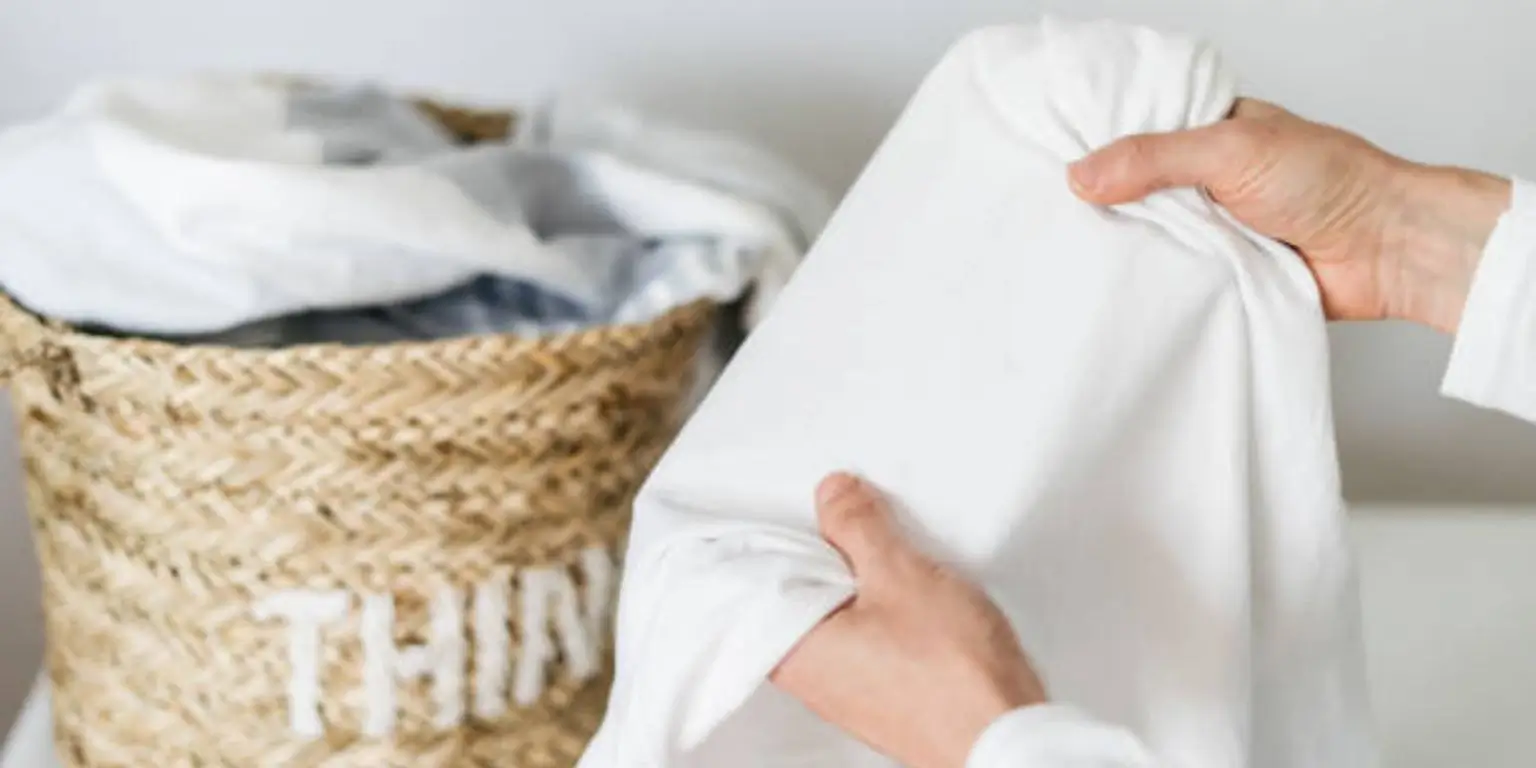
Stains penetrate fabric fibers quickly. Most become harder to remove after 5-10 minutes.
Protein stains like blood and sweat bond to fibers when heat is applied. Grease stains oxidize and grip fabric tighter over time. Acting fast is the single most important step in any stain-removal attempt.
Hack 1: Cold Water Flush for Protein Stains (Blood, Sweat, Dairy)
Does cold water actually work on blood stains? Yes – and it’s your first move every time.
Flush the stained area from the back side under cold running water. This pushes the stain out rather than deeper into the fabric. Hot water is the enemy here; it cooks proteins into fibers and can make the stain permanent.
Follow the cold flush with an enzyme-based stain remover. Apply it, let it sit for 15 minutes, then wash in cold water. Enzyme cleaners contain protease, which breaks down protein molecules directly. Most grocery store stain sticks contain enzymes, but liquid versions penetrate faster.
Hack 2: Dish Soap + Hydrogen Peroxide for Grease and Oil
What removes grease stains from clothing at home? A simple mix of dish soap and hydrogen peroxide works on most cotton and linen fabrics.
Combine one part hydrogen peroxide with one part dish soap. Apply directly to the stain. Work it gently into the fabric with a soft brush or your fingers. Let it sit for 10-15 minutes, then rinse thoroughly with cold water.
Caution: Use this only on white or very light-colored fabrics. Hydrogen peroxide acts as a mild bleach and can pull dye from colored garments. Always test on a small hidden area first. Silk and wool cannot tolerate hydrogen peroxide.
Hack 3: Baking Soda Absorption for Fresh Oil Stains
Can baking soda remove oil stains from clothes? It absorbs surface oil effectively before the stain fully sets.
Sprinkle baking soda directly onto a fresh oil or grease stain. Let it sit for at least 30-45 minutes. The powder draws oil out of the fabric fibers. Brush it off gently, then treat the remaining mark with dish soap before laundering.
This method works best on cotton, canvas, and denim. For synthetic blends, combine it with a small amount of dish soap rubbed in before brushing away.
Hack 4: White Vinegar and Cold Water for Coffee and Wine
How do you get coffee stains out of fabric? White vinegar breaks down the tannins responsible for dark staining.
Mix equal parts white vinegar and cold water. Apply to the stain and let it soak for 2-3 minutes. Blot – never rub – with a clean white cloth. Rubbing spreads the stain and can damage fabric fibers. Repeat the blot-and-soak until the stain lifts, then launder as usual.
For red wine, follow the same process. Add a sprinkle of salt immediately after the spill to absorb the liquid before you apply vinegar solution.
Hack 5: Rubbing Alcohol for Ink and Makeup Stains
Does rubbing alcohol remove ink stains from clothing? Yes, for most ballpoint and marker inks on washable fabrics.
Place the stained area face-down on a clean paper towel. Dab rubbing alcohol onto the back of the stain using a cotton ball or cloth. The ink transfers to the paper towel below. Change the towel frequently as it picks up ink. Launder normally after treating.
For lipstick and foundation, use acetone-based nail polish remover instead. Blot – never rub – and keep the strokes light on delicate materials. Avoid acetone on acetate or triacetate fabrics, as it dissolves them.
Hack 6: Ice and Dish Soap for Gum and Wax
How do you remove gum from fabric without damaging it? Freeze it first.
Apply ice cubes directly to gum or candle wax for 5-10 minutes. Once hardened, chip away the residue with a dull knife or spoon. Work from the edges toward the center. Follow up with a small amount of dish soap worked into any remaining residue, then launder.
Never apply heat to gum – it melts further into the fabric and becomes nearly impossible to remove.
Hack 7: Enzyme Pre-Soak for Stubborn or Set-In Stains
What is the best way to remove set-in stains from fabric? An enzyme pre-soak is the most effective method for older, dried stains.
Submerge the stained garment in a solution of warm water and an enzyme-based laundry detergent. Soak for at least 30 minutes – or up to several hours for stains that have been set. The enzymes break down proteins, starches, and fats over time.
After soaking, launder in the warmest water safe for that fabric. Always check the care label first. Do not put the item in the dryer until you have confirmed the stain is fully gone; heat sets residual stains permanently.
Stain Type Quick Reference Table
|
Stain Type |
Best Treatment | Water Temp | Avoid |
|
Blood / Sweat |
Enzyme cleaner | Cold | Hot water |
|
Grease / Oil |
Dish soap + baking soda | Cold | Heat before treating |
|
Coffee / Wine |
White vinegar solution | Cold |
Rubbing |
| Ink / Makeup | Rubbing alcohol | Cold |
Scrubbing |
| Gum / Wax | Ice + dish soap | Cold rinse |
Heat |
| Set-in stains | Enzyme pre-soak | Warm (per label) |
Dryer before confirmed clean |
When Should You Call a Professional Instead of DIY?
Some garments are not candidates for home treatment. Dry-clean-only fabrics, silk, structured blazers, and heavily embellished pieces need professional care. Using the wrong product on these materials can cause irreversible shrinking, color loss, or fiber damage.
If a stain has been washed and dried already, home methods are often not enough. That’s when a professional wash from a service like Long Island Laundry’s wash and fold pickup makes real sense. We use premium products including OxiClean and Tide, and our team knows which treatment is safe for each fabric type.
In My Experience
In my experience running Long Island Laundry for over 20 years, the number one mistake I see is people putting a stained item in the dryer before the stain is fully out. Once heat touches a set stain, it bonds permanently to the fibers. I always tell Nassau County customers: when in doubt, air-dry and check in good light before that item sees a dryer.
Common Mistakes to Avoid Before Stains Become Permanent
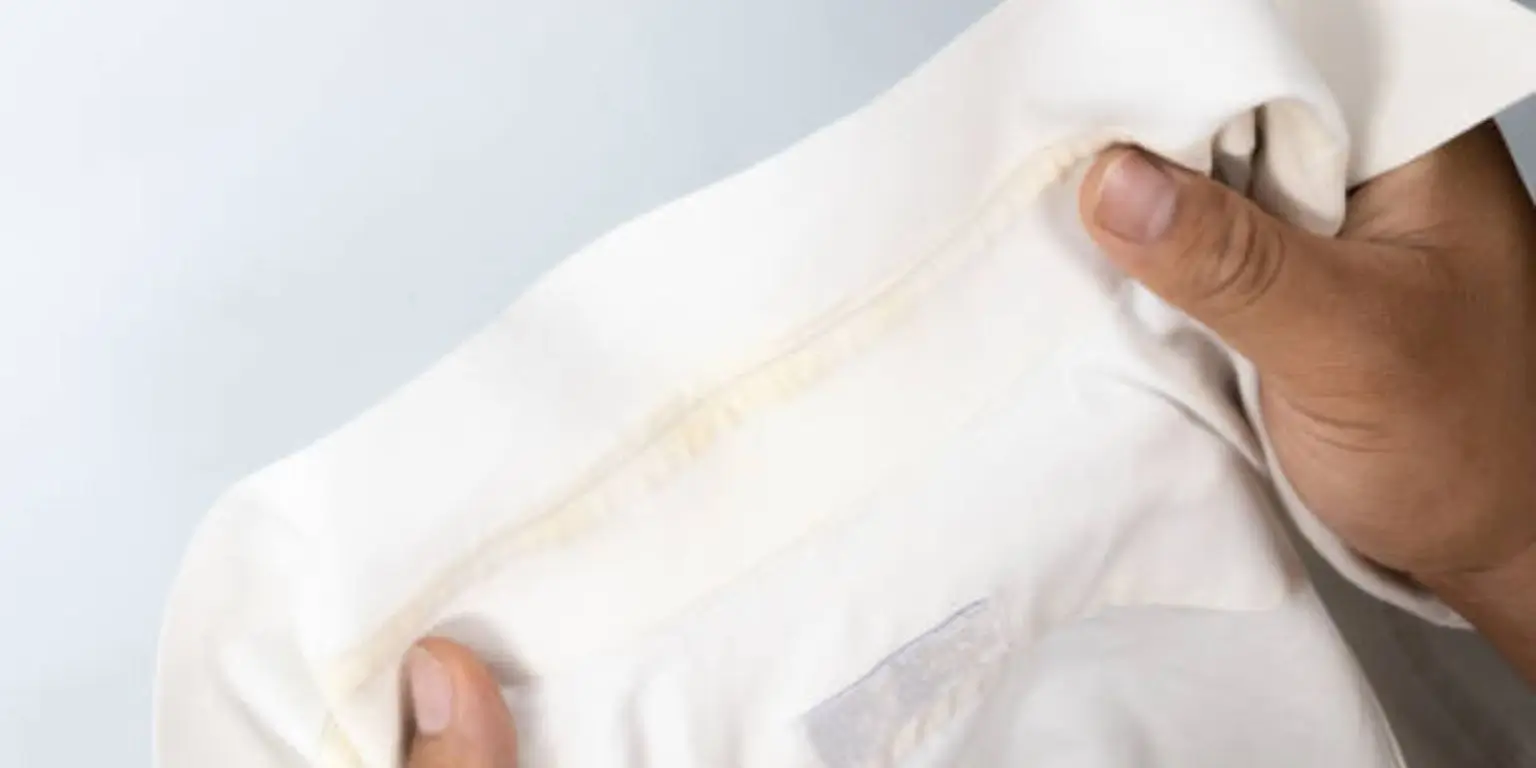
- Rubbing the stain: Rubbing spreads stain particles deeper into fabric and can break fibers, making the area look worn.
- Using hot water on protein stains: Hot water permanently bonds blood, sweat, and dairy stains to fabric – always start cold.
- Over-applying detergent: Excess suds trap dirt and redistribute it back onto clothing, leaving gray residue after washing.
- Skipping the care label: Fabric type determines which treatments are safe – what works on cotton can destroy silk or wool.
- Putting stained items in the dryer: Heat sets whatever stain residue remains, often making it impossible to remove afterward.
Pro Tips
Always blot, never rub. A clean white cloth dabbed over the stain lifts it without spreading. Colored cloths can transfer dye onto wet fabric.
Test on a hidden seam first. Every stain treatment, even gentle ones like vinegar, should be tested on a small hidden area before applying to the visible stain. Fabric reactions vary more than most people expect.
Air-dry and inspect before the dryer. A garment can look clean when wet and reveal the full stain only after drying. Always check in good natural light before finishing the drying cycle.
FAQ
What is the most effective home remedy for removing stains? An enzyme-based stain remover applied quickly is the most versatile option. It works on protein, food, and grease stains across most washable fabrics when used before the stain sets.
Can old stains be removed from clothing? Yes, but they require longer treatment. Soak the garment in warm water with an enzyme detergent for several hours. Results depend on the stain type, fabric, and how long the stain has been set.
Is it better to wash stained clothes in hot or cold water? Cold water is safer for most stain types. Hot water sets protein stains like blood and sweat permanently. Use warm water only after treating the stain fully, and only if the care label allows it.
Does vinegar remove stains from colored clothes? White vinegar is generally safe on colored fabrics when diluted with equal parts water. It works well on coffee and wine. Always test on a hidden area and avoid using it with bleach.
When should I take a stained garment to a professional laundry service? Take it to a professional if the fabric is dry-clean-only, the stain has already been dried in, or home treatments have not worked. A service like Long Island Laundry’s pickup and delivery handles these cases regularly without risking further damage.
Let Long Island Laundry Handle the Tough Ones
Sometimes a stain is beyond what a kitchen hack can fix – and that’s okay. Long Island Laundry has been serving Nassau County and Suffolk County families for over 20 years with professional wash and fold service, free pickup, and next-day delivery across 60+ communities.
First-time customers get $10 OFF with promo code FIRST10. Pickup and delivery are always included at no extra charge. Schedule your first pickup here and hand off the laundry stress today.