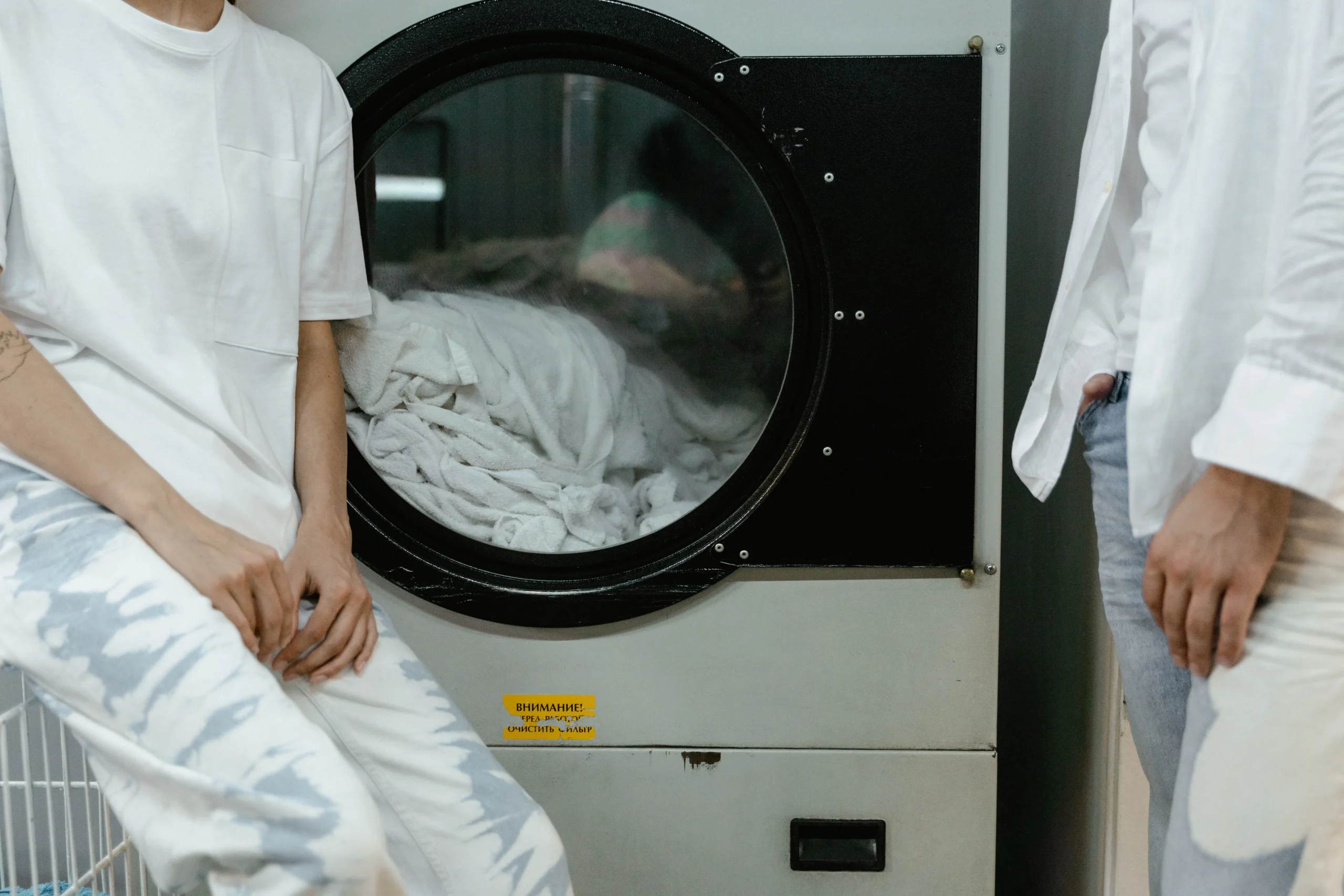
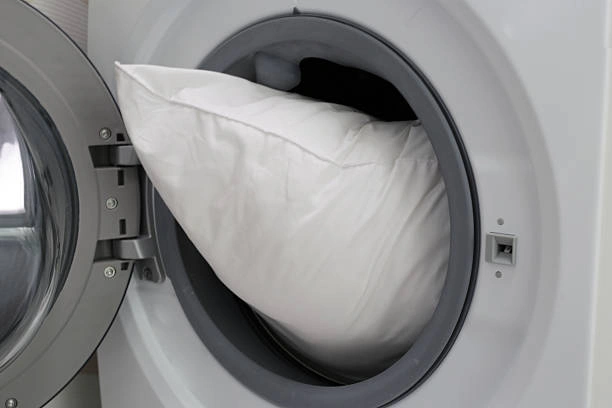
Many pillows can be safely washed in a standard washing machine when the care label permits it. Some synthetic, down, feather, and cotton pillows are machine washable, while memory foam and latex pillows generally should not be machine washed. Always check the care label before choosing a cleaning method, because the appropriate cycle, water temperature, detergent, and drying method depend on the pillow’s fill and outer fabric.
Your Pillows May Need More Cleaning Than You Realize
Pillows can accumulate perspiration, body oils, and dust over time. Regular cleaning helps keep bedding fresh, while people with diagnosed allergies should follow cleaning guidance from their healthcare provider.
If you live in Carle Place, NY, or anywhere across Nassau County, chances are your schedule is already packed. Washing pillows probably falls to the bottom of the list. The good news is that many pillows can be cleaned at home with the right method.
For residents who want to skip the hassle entirely, Long Island Laundry Company’s pickup and delivery service in Carle Place handles bedding, pillows, and bulky items with commercial-grade equipment at our Glen Cove facility. Pillow cleaning starts at $10 per pillow.
Which Pillows Can You Machine Wash?
Not every pillow belongs in your washing machine. The fill material determines whether machine washing is safe. Always check the care label before proceeding.
Synthetic/Polyester Fill: Many synthetic pillows can be machine washed on a gentle cycle. Check the care label for recommended water temperature and drying instructions.
Down and Feather Fill: Some down and feather pillows can be machine washed, but they may need extra care. The manufacturer may recommend a specific detergent formulated for down. Follow the care label for water temperature and cycle settings.
Cotton Fill: Many cotton pillows are durable and wash well, but care labels vary. Check for recommended cycle and temperature before washing.
Memory Foam: Memory foam pillows generally should not be machine washed. The agitation can damage the foam structure. Spot clean with a damp cloth and mild detergent unless the care label provides specific washing instructions.
Latex: Like memory foam, latex pillows can be damaged by machine washing. Spot cleaning or hand washing may be the only safe option. Follow the manufacturer’s instructions.
How to Wash Pillows in the Washing Machine (Step by Step)
Getting your pillows clean without damaging them takes a bit more thought than tossing them in with your regular laundry. Check the care label first, then follow these steps.
Step 1: Remove all covers. Take off the pillowcase and any pillow protector. Wash those separately with your regular bedding load.
Step 2: Check for rips or tears. Inspect every seam before washing. A small tear can open up during the wash cycle, and your washer may fill with loose fill material.
Step 3: Load two pillows at a time. Washing a single pillow can throw the machine off balance. Two pillows placed on opposite sides of the drum help keep the load even and allow better water circulation.
Step 4: Use the recommended amount of detergent. Use the type and quantity of detergent recommended by the pillow manufacturer and detergent label. Excess detergent can be difficult to rinse from thick fill material. Liquid detergent generally dissolves more effectively than powder in bulky items.
Step 5: Select the recommended cycle and water temperature. Use the cycle and water temperature specified on the care label. Depending on the pillow, that may be a gentle, delicate, or bulky-bedding cycle. Do not assume one setting is safe for every pillow.
Step 6: Consider an extra rinse. If the washer offers an extra rinse cycle and the care instructions permit it, an additional rinse may help remove excess detergent from thick fill.
Step 7: Dry according to the care label. If the care label permits machine drying, use the specified heat setting. Dryer balls may help redistribute some types of fill. Check periodically for damp areas. If using a top-loading washer with a center agitator, check the appliance manual to confirm the machine is designed to wash bulky bedding items.
Important: Do not store or place the pillow back on the bed until it is completely dry. Residual moisture inside the fill can lead to musty odors or mildew.
How to Address Yellow Stains on Pillows
Yellow stains come from perspiration, body oils, and skincare products that soak through the pillowcase over time. Standard washing may not remove heavy yellowing on its own.
Before using any whitening or stain-removal product, check the pillow’s care label and test the product on a small, hidden area. Use only a product appropriate for the fill and outer fabric, and follow the product directions exactly.
For white pillows with persistent discoloration, consider a fabric-safe oxygen bleach if the care label permits it. Do not use chlorine bleach unless the care label and product instructions specifically allow it. Chlorine bleach can damage certain fills, fabrics, and finishes.
How Often Should You Wash Your Pillows?
How often pillows need cleaning depends on whether they have a pillow protector, exposure to perspiration, the manufacturer’s instructions, and individual household needs. Wash pillowcases and sheets regularly, and clean the pillows themselves when recommended by their manufacturer or when they become visibly soiled or develop an odor.
People with allergies should follow their healthcare provider’s recommendations for bedding-cleaning frequency.
Using a pillow protector under the pillowcase helps reduce how quickly oils and perspiration reach the fill, which may extend the time between deep cleanings.
Why Your Home Washer May Not Be Enough
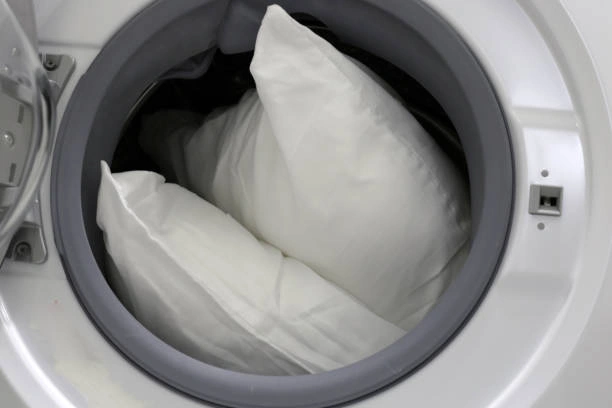
Standard residential washing machines were designed primarily for clothing, not bulky bedding items. Two bed pillows can take up most of the available drum space, leaving less room for water and detergent to circulate effectively.
Check the washer manufacturer’s instructions before washing bulky bedding. The pillows must fit loosely enough to move freely throughout the cycle. If they must be pushed into the drum or cannot move freely, the machine may be too small.
Commercial washers at professional laundry facilities offer significantly more capacity. That extra space allows pillows to receive a more thorough, even clean. The high-speed extraction cycles also remove more moisture, which can reduce drying time.
For Carle Place residents and families across Long Island, Long Island Laundry Company processes bedding and pillows in dedicated commercial-grade machines at our Glen Cove facility. Each order is washed separately, never mixed with other customers’ items.
Do Not Forget Your Other Bedding
While you are freshening up your pillows, your comforters, duvets, and blankets may need attention too. Comforters vary considerably by fabric, construction, and filling, so always follow the care label rather than relying on one universal approach.
Long Island Laundry Company’s comforter cleaning service starts at $20 for regular twin and full sizes, $26 for queen and king, and $35 for weighted blankets. Each comforter is washed in commercial-grade oversized equipment and returned in a free reusable storage bag.
Professional Laundry Service Compared With DIY Pillow Washing
| Factor | Laundry at Home | Long Island Laundry Company |
| Customer involvement | Wash, dry, and manage each step | Set out and retrieve the laundry |
| Equipment | Must be large enough for free movement | Commercial-grade oversized equipment |
| Detergent | Purchased by the household | Premium and specialty options included |
| Pricing | Utilities, products, and equipment costs | Pillows from $10 each; laundry at $1.95/lb with a $35 minimum |
| Preferences | Managed with each load | Saved to the customer’s account |
| Pickup and delivery | Not applicable | Included |
In My Experience
“After more than 20 years in the laundry business, I know that pillows need enough room to wash, rinse, and dry properly. If pillows do not move freely in your home machines, using commercial-grade equipment can help produce a more thorough result. Customers should follow the pillow manufacturer’s care instructions and consider professional cleaning for oversized, heavily soiled, or specialty pillows.”
Anthony Perfetti, Owner, Long Island Laundry Company
Common Mistakes to Avoid When Washing Pillows
Using too much detergent. Excess detergent can become trapped inside pillow fill. Use the amount recommended by the detergent and pillow manufacturer.
Skipping the extra rinse cycle. Pillows are thicker than clothing and may retain detergent after a single rinse. An extra rinse may help when the appliance and care instructions permit it.
Machine washing memory foam or latex without checking the care label. Most memory foam and latex pillows are not designed for machine washing. Spot clean these pillow types by hand unless the manufacturer’s instructions state otherwise.
Placing a still-damp pillow back on the bed. If the center still feels cool or heavy, it is not done. Residual moisture inside the fill can lead to musty odors or mildew.
Washing one pillow alone. A single pillow can create an unbalanced load. Washing at least two at a time helps keep the machine balanced.
Pro Tips for Pillow Care
Use pillow protectors under your pillowcases. A pillow protector helps block perspiration and oils from reaching the fill, which can reduce how often deep cleaning is needed.
Fluff your pillows regularly. A quick shake and fluff helps redistribute the fill and allows trapped moisture to escape.
Add pillows and bedding to your regular laundry pickup. If you already use a pickup and delivery service, adding pillows and comforters takes no extra effort and keeps your entire sleep setup fresh.
Frequently Asked Questions
Can you wash all types of pillows in the washing machine?
No. Many synthetic, down, feather, and cotton pillows can be machine washed when the care label permits it. Memory foam and latex pillows generally should not be machine washed.
How often should you wash bed pillows?
Follow the pillow manufacturer’s care instructions. Frequency depends on whether you use a pillow protector, exposure to perspiration, and individual household needs. People with allergies should follow their healthcare provider’s recommendations.
Can you put pillows in the dryer?
If the care label permits machine drying, use the specified heat setting. Dryer balls may help prevent clumping in some fill types. Continue drying until no damp areas remain.
Why do pillows turn yellow over time?
Yellowing typically results from perspiration, body oils, and skincare products soaking through the pillowcase into the fill material over time.
When should you replace a pillow?
Follow the manufacturer’s replacement guidance. If a pillow no longer provides adequate support or cannot be cleaned effectively, it may be time for a replacement.
Let Long Island Laundry Handle Your Bedding
Washing pillows at home requires suitable equipment, careful attention, and enough time for complete drying. Long Island Laundry Company uses commercial-grade oversized machines to clean pillows and bulky bedding at our Glen Cove facility.
Pillow cleaning starts at $10 per pillow. Residential pickup and delivery is $1.95 per pound with a $35 minimum order. Free pickup and delivery are included, with no fuel surcharges or hidden charges. See our pricing for details.
New customers receive $10 off their first order with promo code FIRST10. Schedule your first pickup and see why Long Island families have given Long Island Laundry Company more than 200 Google reviews.