Mildew odor in clothes results from fungal growth in damp fabric. Treatment typically involves pretreating or soaking the affected garment, washing it using the warmest water the care label allows, and drying it thoroughly. Results depend on the fabric, the severity of the growth, and whether the garment has already been through multiple wash cycles. Always check the care label before choosing a treatment method, and test any product on a hidden area first.
You pull a shirt from the closet, hold it up, and catch that sour, musty smell. It was clean last week. Now it smells like a damp basement.
If you live in Carle Place or anywhere in Nassau County, this problem can be more common than you might expect. Long Island summers push humidity levels up for weeks at a time. That moisture can find its way into closets, drawers, and laundry hampers. Mildew does not wait for an invitation.
Many mildew odors respond to treatment when addressed promptly, although results depend on the fabric, the extent of the growth, and previous treatments. When DIY methods fall short, Long Island Laundry Company offers pickup and delivery in Carle Place.
This guide covers recommended methods, fabric-specific considerations, and the mistakes that can keep the smell coming back.
Why Do Your Clothes Smell Like Mildew?
Mildew is a surface fungus that feeds on moisture and organic residue trapped in fabric fibers. The musty odor is a byproduct of that growth.
Several everyday habits can create conditions for it. Leaving wet laundry sitting in the washing machine, placing damp gym clothes into a sealed hamper, or storing garments before they are completely dry can all contribute.
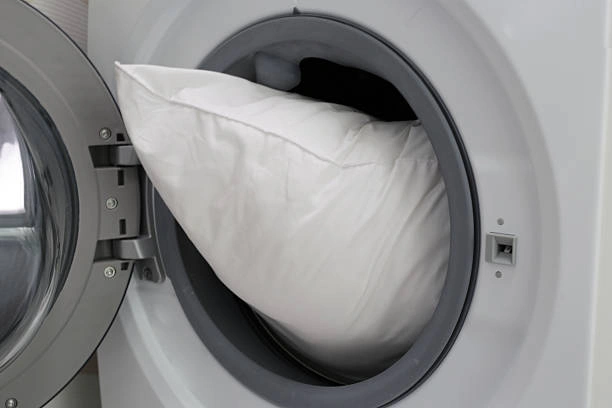
Your washing machine itself may also be a factor. Soap residue, lint, and mineral deposits can build up inside the drum and rubber gaskets over time. That buildup can harbor mildew, which may then transfer to subsequent loads. Check the washing machine manufacturer’s instructions for recommended cleaning procedures.
Does Long Island Humidity Make Mildew More Likely?
Humid coastal climates can create favorable conditions for mildew growth, particularly during warmer months.
Homes in Carle Place and surrounding Nassau County communities may have closets against exterior walls where condensation can develop. Seasonal clothing stored with any trace of moisture can be particularly susceptible.
Basements and laundry rooms without adequate ventilation or dehumidification may also be more vulnerable. If you notice a faint mustiness in the room where you store clothes, the problem may already be affecting your wardrobe.
How Can You Address Mildew Smell in Clothes?
The key is treating the mildew rather than covering it with fragrance. Perfumed detergents and fabric softener only mask the odor temporarily.
Before using any of the methods below, check the garment’s care label and test the product or solution on a small, hidden area first. Not every method is appropriate for every fabric, dye, or finish.
Method 1: White Vinegar
White distilled vinegar may help break down mildew and reduce odor on some washable fabrics. Mix a solution of vinegar and cool water, submerge the affected garment, and let it soak for the time appropriate for the fabric. After soaking, wash using the warmest water the care label allows.
Vinegar may not be effective for every fabric or every level of mildew. Test on a hidden area first, and follow the garment’s care instructions for washing and drying.
Method 2: Baking Soda
Baking soda may help absorb and neutralize odors in some fabrics. Add baking soda to the washing machine along with your garments and wash using the warmest water the care label allows. Follow the detergent and baking soda product directions for recommended quantities.
This method may work better on heavier fabrics, though results depend on the severity of the odor and the fabric type.
Method 3: Vinegar Followed by Baking Soda (Two-Cycle Approach)
For more persistent mildew odor, some garments may benefit from two separate wash cycles — one with vinegar and one with baking soda. Use the warmest water the care label allows for each cycle. This approach is not appropriate for every fabric, so check the care label and test on a hidden area first.
Method 4: Oxygen Bleach for Stubborn Cases
When other methods have not resolved the odor, oxygen bleach (sodium percarbonate-based, not chlorine bleach) may provide a stronger option for certain fabrics. Dissolve the product as directed on its label and soak the garment for the recommended time before washing.
Always test oxygen bleach on a hidden area first, since it can affect some dyes and finishes. Do not use chlorine bleach unless the garment’s care label and product instructions specifically allow it.
Method 5: Sunlight and Fresh Air
Hanging freshly washed clothes outdoors in sunlight may help reduce remaining mildew odor. If outdoor drying is not possible, use the dryer on the setting the care label recommends. Make sure every item is completely dry before putting it away. Residual moisture can restart the cycle.
What Is the Difference Between Mildew and Mold on Clothes?
Mildew is a surface fungus that typically appears as a light gray or white powdery coating with a musty smell. Mold grows deeper into fabric fibers and may appear as fuzzy patches in darker colors with a stronger odor.
If mold has extensively affected a garment, the fabric may already be damaged beyond recovery. Delicate or valuable items with mold should be taken to a professional cleaner for assessment.
Health Considerations
Exposure to mildew and mold on clothing may cause irritation in some individuals. People with asthma, allergies, or compromised immune systems may be more susceptible to respiratory symptoms. If you or a family member experiences symptoms you believe may be related to mildew or mold exposure, consult a healthcare professional for guidance.
Addressing mildew promptly is a reasonable precaution for both your wardrobe and your household.
How Should You Handle Mildew on Different Fabrics?
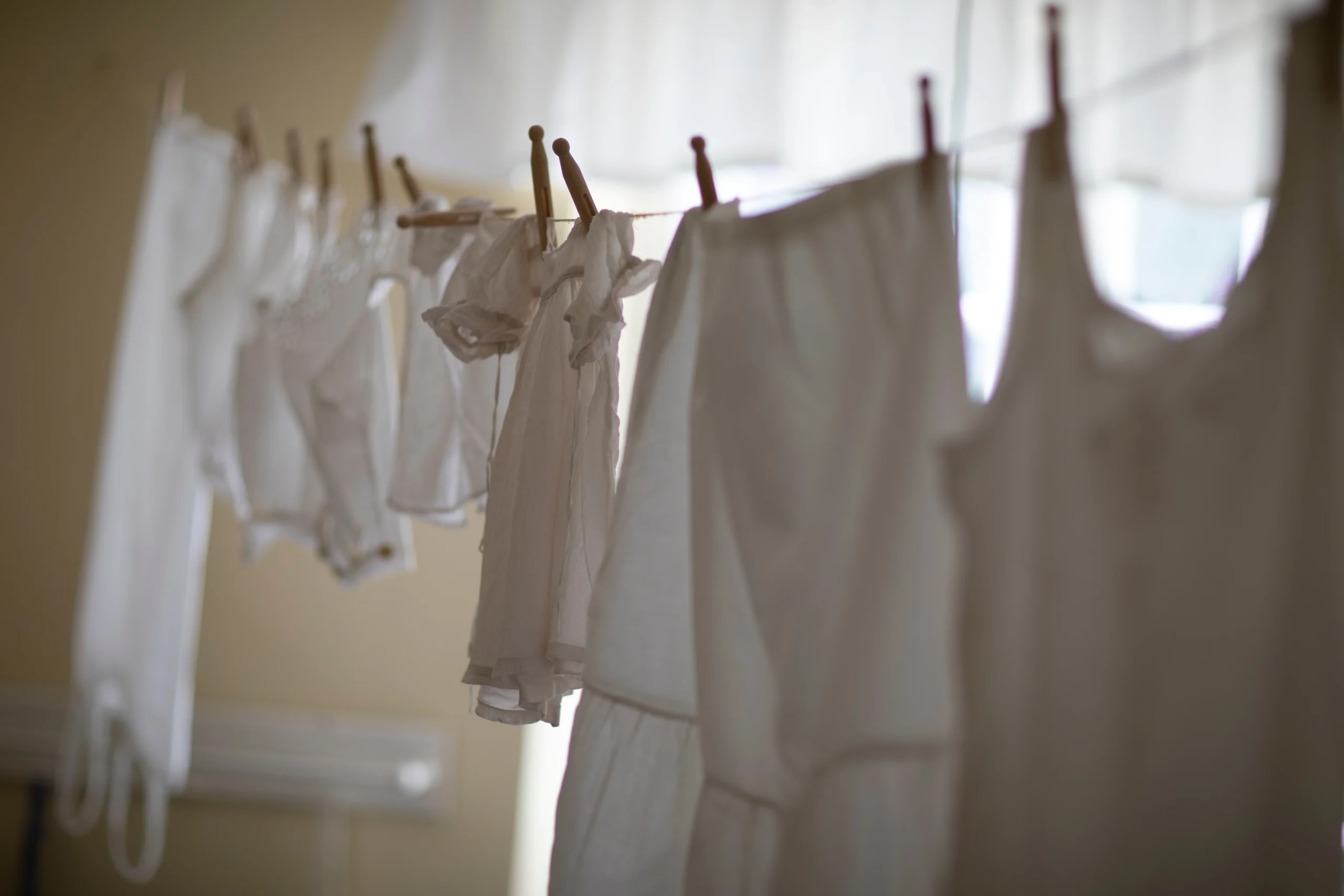
Not every fabric can handle the same treatment. Check the care label first, and test any cleaning product on a hidden area before treating the full garment.
Cotton, polyester, and blends generally tolerate a wider range of treatments, but always verify with the care label before using hot water or bleach products.
Delicates and dry-clean-only items like silk, wool, and certain synthetics need gentler care. A diluted vinegar soak may be an option for some washable delicates, but test on a hidden area first. For items labeled dry clean only, or for valuable or sentimental pieces, professional cleaning is the safest option.
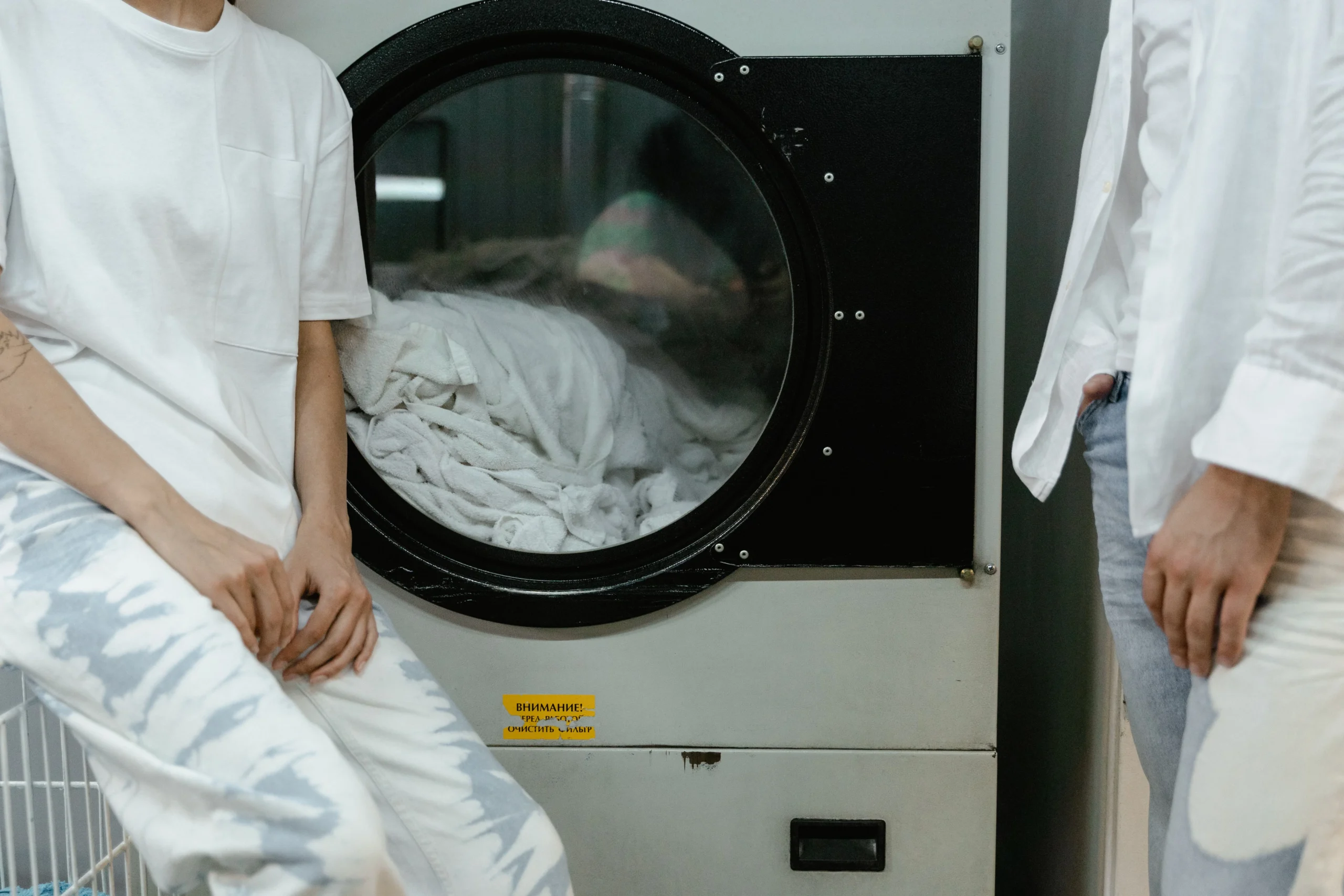
Towels and bedding can be more susceptible to mildew because of their thickness and moisture retention. Comforters and heavy blankets may be too bulky for home machines to dry thoroughly, and incomplete drying can contribute to further mildew. Long Island Laundry Company’s comforter cleaning service uses commercial-grade equipment designed to handle bulky bedding. Regular comforters start at $20, and down comforters start at $30.
Professional Laundry Service Compared With DIY Mildew Treatment
| Factor | Laundry at Home | Long Island Laundry Company |
| Customer involvement | Pretreat, soak, wash, dry, and fold | Set out and retrieve the laundry |
| Pricing | Utilities, products, and equipment costs | $1.95 per pound with a $35 minimum |
| Detergent | Purchased by the household | Premium and specialty options included |
| Preferences | Managed with each load | Saved to the customer’s account |
| Drying | Must ensure complete drying at home | Commercial-grade drying equipment |
| Pickup and delivery | Not applicable | Included |
| Odor-removal results | Vary by fabric and severity | Vary by fabric and severity; removal is not guaranteed |
In My Experience
“After more than 20 years in the laundry business, I have learned that thorough drying is one of the most important factors in preventing mildew from returning. If garments or bedding cannot dry completely in your home equipment, commercial-grade dryers with greater capacity and airflow can help. Customers should let us know about any persistent odors so we can give those items appropriate attention.”
Anthony Perfetti, Owner, Long Island Laundry Company
What Mistakes Can Make Mildew Smell Worse?
Using too much detergent. Excess detergent can leave residue inside fabric fibers and inside the washing machine. That residue can trap moisture and contribute to mildew growth. Use the amount recommended by the detergent manufacturer.
Adding fabric softener to mildewed clothes. Fabric softener coats fibers with a layer that may seal in odor rather than releasing it. Consider skipping fabric softener until the odor is resolved.
Putting away garments that are not completely dry. Even slightly damp garments can develop mildew in a closed drawer or closet. Make sure every item is thoroughly dry before storing it.
Not cleaning your washing machine. Follow the washer manufacturer’s cleaning instructions to prevent buildup inside the drum and gaskets. Front-loading machines may need particular attention around the door seal.
Overloading the washer. Packed machines cannot circulate water effectively, which can leave residue and moisture trapped in garments.
Pro Tips for Mildew-Free Laundry
Remove clothes from the washer promptly. Leaving wet laundry in the machine creates conditions for mildew. Set a reminder if needed.
Keep closet and storage areas well ventilated. A small dehumidifier or moisture-absorbing products in closets can help reduce humidity, particularly in homes with closets on exterior walls.
Set up a recurring laundry pickup. A recurring pickup and delivery schedule keeps laundry moving through the process regularly, reducing the chance that damp clothes sit long enough for mildew to develop.
Frequently Asked Questions
Does vinegar help with mildew smell on clothes?
Vinegar may help reduce mildew odor on some washable fabrics, but it is not effective for every fabric or every level of mildew growth. Check the care label, test on a hidden area, and wash using the warmest water the garment can safely tolerate.
Can regular detergent remove mildew odor?
Standard detergent alone may not fully resolve mildew odor. A pretreating step with vinegar, baking soda, or oxygen bleach — when safe for the fabric — may improve results. Follow product directions and the garment’s care label.
Why do clothes still smell musty after washing?
Several factors can contribute, including incomplete drying, washing machine buildup, or mildew that has penetrated deeper into the fabric. Follow the washer manufacturer’s cleaning instructions and make sure garments are completely dry before storing them.
Are there health concerns from mildew on clothing?
Mildew and mold exposure may cause irritation in some individuals, particularly those with asthma, allergies, or compromised immune systems. If you experience symptoms you believe may be related, consult a healthcare professional.
How do you prevent mildew smell in stored clothes?
Store clothes only when they are completely dry. Use breathable storage bags rather than airtight plastic. Keep storage areas well ventilated and consider moisture-absorbing products in humid spaces.
Get Fresh Laundry Delivered to Your Door
Persistent mildew odor can be frustrating, especially when home treatments have not resolved it. Long Island Laundry Company picks up your laundry in Carle Place and returns it clean, folded, and ready to put away.
Residential pickup and delivery is $1.95 per pound with a $35 minimum order. Free pickup and delivery are included, with no fuel surcharges or hidden charges. See our pricing for details.
New customers receive $10 off their first order with promo code FIRST10. Schedule your first pickup and see why Long Island families have given Long Island Laundry Company more than 180 five-star reviews.